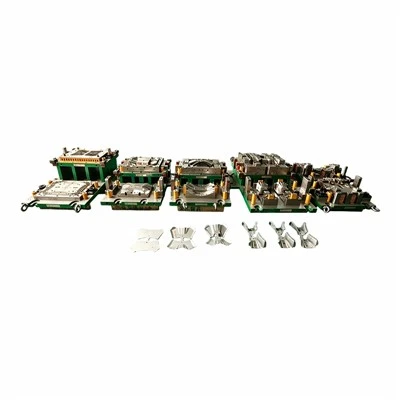
Hey there! I’m a supplier of home appliance stamping parts, and I’ve been in this game for quite some time. One of the most common questions I get from clients is how to ensure the interchangeability of these parts. It’s a crucial issue, ’cause when parts aren’t interchangeable, it can lead to all sorts of headaches, like production delays, increased costs, and unhappy customers. So, I thought I’d share some of my insights on this topic based on my experiences in the industry. Home Appliance Stamping Parts
Understanding Interchangeability
First off, what do we mean by "interchangeability" of home appliance stamping parts? Well, it simply means that a part from one batch can be used to replace a part from another batch without any modifications. This is super important in the home appliance manufacturing industry. For example, if a manufacturer is making thousands of refrigerators, they need to be able to use stamping parts from different production runs interchangeably. Otherwise, they’d have to keep a large stock of parts for each specific batch, which is both costly and inefficient.
Design and Engineering
Precise Design Specifications
The key to ensuring interchangeability starts right at the design phase. We need to have really precise design specifications for each stamping part. This includes things like dimensions, tolerances, and surface finishes. For instance, if a part has a hole that’s supposed to be 10mm in diameter, we need to specify the acceptable tolerance range, say ±0.1mm. This way, no matter which batch the part comes from, it can fit properly into the appliance.
Standardization
Another important aspect of design is standardization. We should try to use standard sizes and shapes as much as possible. For example, if we’re making a bracket for a washing machine, we can use standard screw sizes and hole patterns. This not only makes the parts more interchangeable but also reduces the complexity of the manufacturing process.
Computer – Aided Design (CAD)
In today’s world, CAD software is a game – changer. We use CAD to create 3D models of the stamping parts. This allows us to visualize the parts from all angles and make sure they’ll fit together perfectly. We can also perform virtual simulations to test the functionality of the parts before we actually start manufacturing them. This helps us catch any design flaws early on and make the necessary adjustments to ensure interchangeability.
Manufacturing Process
Quality of Raw Materials
The quality of the raw materials we use has a big impact on the interchangeability of the stamping parts. We always make sure to source our materials from reputable suppliers. For example, if we’re using steel for stamping parts, we check the material’s chemical composition, hardness, and grain structure. Inconsistencies in the raw materials can lead to variations in the final parts, which can affect interchangeability.
Stamping Equipment and Tooling
The stamping equipment and tooling we use also play a crucial role. We invest in high – quality stamping presses and dies. The dies need to be well – maintained and calibrated regularly. Over time, the dies can wear out, which can cause the dimensions of the stamped parts to change. We have a strict maintenance schedule for our equipment and tooling to ensure that they’re always in top condition.
Process Control
During the manufacturing process, we need to have tight process control. This means monitoring things like the stamping force, speed, and temperature. For example, if the stamping force is too high, it can cause the part to deform. We use sensors and control systems to keep these parameters within the specified ranges. We also perform regular inspections at different stages of the manufacturing process to catch any defects early.
Testing and Inspection
In – process Inspection
As I mentioned before, we do in – process inspections. This involves checking the parts at different points during the manufacturing process. For example, after the stamping operation, we measure the dimensions of the parts to make sure they’re within the tolerance range. We also check for any surface defects, like scratches or burrs. If we find any issues, we can take corrective action right away.
Final Inspection
Once the parts are fully manufactured, we conduct a final inspection. We use a variety of measurement tools, such as calipers, micrometers, and coordinate measuring machines (CMM). These tools allow us to measure the dimensions of the parts with high precision. We also perform functional tests to make sure the parts work as intended. For example, if it’s a part for a dishwasher, we might test how well it fits and operates in a dishwasher model.
Batch – to – Batch Testing
To ensure long – term interchangeability, we also do batch – to – batch testing. We take samples from different batches and compare them. This helps us identify any trends or variations that might be building up over time. If we notice any issues, we can figure out what’s causing them and make the necessary adjustments to our manufacturing process.
Documentation and Traceability
Detailed Documentation
We keep detailed documentation for every stamping part we produce. This includes the design specifications, manufacturing process parameters, inspection results, and raw material information. This documentation is like a blueprint for the part. It allows us to reproduce the part exactly the same way in the future and also helps us troubleshoot any issues that might arise.
Traceability Systems
We also have a traceability system in place. This means that we can track every part from the raw material stage all the way to the finished product. If there’s a problem with a part, we can quickly find out where it came from, what materials were used, and what manufacturing processes it went through. This helps us take corrective action and prevent similar issues from happening in the future.
Supplier – Manufacturer Collaboration
Communication
Good communication between the supplier (that’s me!) and the home appliance manufacturer is essential. We need to have an open line of communication so that we can understand each other’s needs and requirements. For example, if the manufacturer is planning to make a change to the design of an appliance, they should let us know as early as possible. This way, we can adjust our manufacturing process accordingly to ensure that the new parts will still be interchangeable.
Feedback Loop
We also have a feedback loop. The manufacturer provides us with feedback on the parts we supply. If they notice any issues with interchangeability or quality, we take that feedback seriously and work on improving our processes. At the same time, we also share our insights and suggestions with the manufacturer. This collaborative approach helps us both improve the overall quality and interchangeability of the stamping parts.
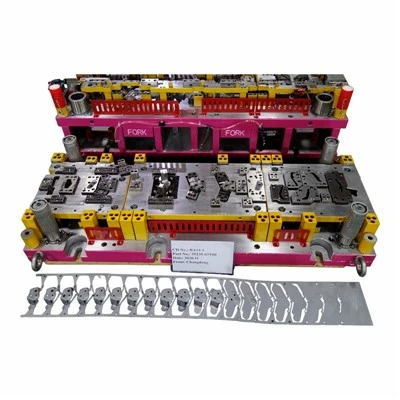
If you’re in the market for high – quality and interchangeable home appliance stamping parts, I’d love to chat with you. Whether you’ve got a specific design in mind or need our help with developing a new part, we’re here to assist. Let’s start a conversation about your needs and see how we can work together to make your home appliance manufacturing process more efficient and cost – effective.
Automotive & EV Stamping Parts References
- "Metal Stamping Handbook" by Society of Manufacturing Engineers.
- "Quality Control in Manufacturing Processes" by John Wiley & Sons.
Dongguan Changdong Tool & Die Co., Ltd.
With abundant experience, we are one of the most reliable home appliance stamping parts manufacturers and suppliers in China. Please feel free to buy advanced home appliance stamping parts made in China here from our factory. Good service and quality products are available.
Address: No. 56-B, Fumin South Road, Dalang Town, Dongguan City, Guangdong Province, China
E-mail: sales@stamping-die.com
WebSite: https://www.metalstampingdie.com/
