Hey there, fellow gear – heads and automotive industry enthusiasts! I’m part of an automotive castings supplier team, and let me tell you, heat treatment is like the secret sauce that can make or break our castings. Today, I’m going to share some tips on how to ensure the proper heat treatment of automotive castings. Automotive Castings
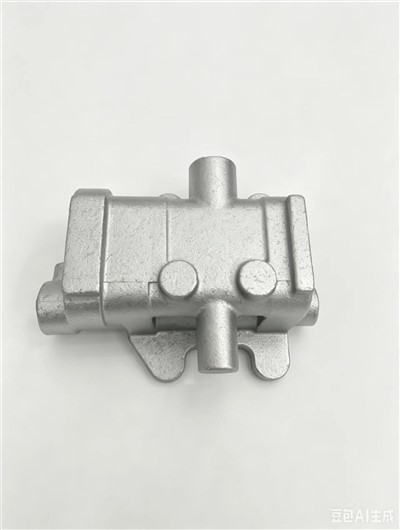
First off, let’s understand why heat treatment is so crucial. Automotive castings go through a lot of stress. They’re in engines, transmissions, and suspension systems, where they face high temperatures, pressure, and constant vibrations. Heat treatment helps to improve the mechanical properties of these castings, like hardness, toughness, and wear resistance. If we don’t get it right, the castings might crack, wear out quickly, or even fail under normal operating conditions, which is a big no – no in the automotive world.
Choosing the Right Casting Material
The heat treatment process starts with the casting material. Different materials have different heat treatment requirements. For example, cast iron and aluminum alloys have very different melting points, cooling rates, and solidification behaviors.
When we select a material for an automotive casting, we need to know its chemical composition inside out. Elements like carbon, silicon, and manganese in cast iron can have a huge impact on how it responds to heat treatment. A high – carbon content can make the casting harder but more brittle, while silicon can improve fluidity during casting and also affect the heat – treated structure.
We work closely with our material suppliers to ensure the consistency of the raw materials. Any variation in the chemical composition can lead to inconsistent heat – treatment results. So, we do regular quality checks on the incoming materials, running chemical analysis and mechanical tests to make sure they meet our strict specifications.
Pre – heat Treatment Inspection
Before we even start the heat – treatment process, we take a good look at the castings. We’re checking for any visible defects, like cracks, porosity, or misruns. These defects can severely affect how the casting heats up and cools down during heat treatment.
For example, a crack in the casting can act as a stress concentrator. When we heat the casting, the crack can expand, and when we cool it, it might cause the casting to break apart. Porosity can also change the heat – transfer properties of the casting, leading to uneven heating and cooling.
We use non – destructive testing methods like X – ray and ultrasonic testing to detect internal defects that are not visible to the naked eye. This helps us to identify and remove any defective castings from the batch before heat treatment, saving us time and resources in the long run.
Designing the Heat Treatment Process
Once we’ve got the right material and the castings have passed the pre – inspection, it’s time to design the heat – treatment process. This involves three main steps: heating, holding, and cooling.
The heating phase is all about raising the temperature of the casting to the right level. We need to do this slowly and evenly to avoid thermal stress. If we heat the casting too quickly, the outer surface will expand faster than the inside, causing internal stresses that can lead to cracking. So, we use a controlled heating rate, which can vary depending on the size and material of the casting.
After the casting reaches the desired temperature, we enter the holding phase. This is where we keep the casting at a constant temperature for a certain period. The length of the holding time depends on the type of material and the heat – treatment goal. For example, if we’re trying to achieve a certain level of hardness, we need to hold the casting at the austenitizing temperature long enough to allow the carbon to dissolve uniformly in the iron lattice.
Finally, the cooling phase is critical. The cooling rate determines the microstructure and properties of the casting. Different cooling methods can give us different results. For example, quenching in water or oil can give us a very fast cooling rate, which results in a hard and brittle structure. On the other hand, air cooling is a slower process that can lead to a more ductile and less hard structure.
We use computer – controlled furnaces to ensure precise control of the heating, holding, and cooling phases. These furnaces are equipped with sensors that monitor the temperature and can adjust the heating and cooling rates in real – time.
Post – heat Treatment Testing
Once the heat treatment is done, it’s time to put the castings to the test. We conduct a series of mechanical and metallurgical tests to ensure that the castings meet our quality standards.
Mechanical tests include hardness testing, tensile testing, and impact testing. Hardness testing helps us to determine if the casting has achieved the desired level of hardness. Tensile testing measures the strength and ductility of the casting, while impact testing assesses its ability to withstand sudden impacts.
Metallurgical tests involve examining the microstructure of the casting. A proper heat – treated casting should have a uniform and fine – grained microstructure. We use microscopes to look at the grain size, phase distribution, and any signs of defects in the structure.
If the test results don’t meet our standards, we go back and analyze the heat – treatment process. We check if the heating, holding, or cooling phases were done correctly, and make any necessary adjustments for future batches.
Quality Control and Documentation
Quality control is an ongoing process in heat – treating automotive castings. We have a quality management system in place that ensures every step of the process is monitored and documented.
We keep detailed records of the heat – treatment process, including the temperature profiles, holding times, and cooling rates. This documentation helps us to trace back any issues that might arise during the testing phase. It also allows us to demonstrate to our customers that we are following strict quality control procedures.
Real – World Challenges and Solutions
In the real world, things don’t always go according to plan. We often face challenges like furnace malfunctions, power outages, or variations in the incoming materials.
When a furnace malfunctions, it can affect the heating or cooling process. We have backup furnaces and a maintenance schedule to minimize the downtime. In case of a power outage, we have an uninterruptible power supply (UPS) system that can keep the furnaces running long enough for a safe shutdown.
Variations in the incoming materials can be a tricky problem. We work with our material suppliers to improve the consistency of the raw materials. We also adjust the heat – treatment process based on the actual chemical composition of each batch of materials.
Conclusion and Call to Action

Proper heat treatment of automotive castings is no easy feat, but it’s essential for producing high – quality castings that can withstand the rigors of automotive applications. Whether you’re a manufacturer looking for reliable casting suppliers or a distributor in need of top – notch automotive parts, we’ve got you covered.
Agricultural Machinery Parts We’ve got the expertise and the state – of – the – art equipment to ensure that every casting we produce is heat – treated to perfection. If you’re interested in working with us, we’d love to hear from you. Reach out to us to start a conversation about your specific needs and how we can meet them with our high – quality automotive castings.
References
- “Heat Treatment Principles and Techniques” by David Kirkaldy and J. F. Wallwork
- “Automotive Materials and Manufacturing Processes” by H. E. Boyer
- “Foundry Technology: Metal Casting" by O. Ross
Qingzhou Shengchen Machinery Technology Co., Ltd.
As one of the leading automotive castings manufacturers and suppliers in China, we warmly welcome you to buy discount automotive castings for sale here and get free sample from our factory. If you have any enquiry about customized service, please feel free to email us.
Address: Industrial Park, Mihe Town, Qingzhou City, Weifang, Shandong Province
E-mail: gjywb@qzsckj.cn
WebSite: https://www.sc-casting.com/
