Hey there! I’m a supplier of acetates, and I often get asked, "Are acetates stable compounds?" Well, let’s dive right into it and find out. Acetates
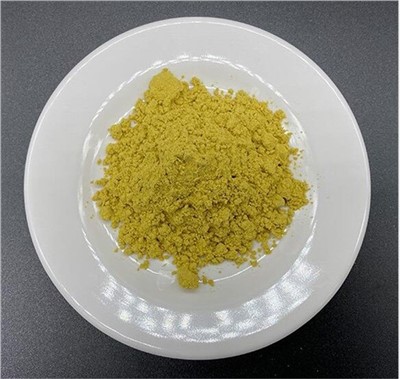
First off, what are acetates? Acetates are salts or esters of acetic acid. You can think of them as a family of compounds that have a wide range of uses. From the food industry to the pharmaceutical world, and even in the production of plastics and fibers, acetates are everywhere.
Now, let’s talk about stability. Stability in chemistry is all about how well a compound holds up under different conditions. It’s like asking if a building can withstand strong winds, rain, and earthquakes. For acetates, stability depends on a few key factors.
One of the main factors is the type of acetate. There are inorganic acetates, like sodium acetate and potassium acetate, and organic acetates, such as ethyl acetate and methyl acetate. Inorganic acetates are generally more stable than their organic counterparts. This is because inorganic acetates are made up of metal ions and acetate anions, which form strong ionic bonds. These bonds are pretty tough to break, so inorganic acetates can handle a lot of heat, pressure, and chemical reactions without falling apart.
For example, sodium acetate is a common inorganic acetate. It’s used in things like heating pads and as a food additive. Sodium acetate is stable at room temperature and can even withstand moderate heating without decomposing. That’s why it’s so useful in those heat packs – you can heat it up and it will stay in one piece, releasing heat slowly over time.
On the other hand, organic acetates are a bit more finicky. They’re made up of carbon, hydrogen, and oxygen atoms, and the bonds between these atoms are more vulnerable to things like heat, light, and moisture. Take ethyl acetate, for instance. It’s a popular solvent in the paint and coating industry. But ethyl acetate is volatile, which means it evaporates easily. It can also react with water and other chemicals over time, breaking down into smaller molecules.
Another factor that affects the stability of acetates is the environment they’re in. Acetates can be sensitive to changes in temperature, pH, and the presence of other chemicals. For example, if you expose an acetate to a highly acidic or basic environment, it might start to react and break down. Similarly, if you store an acetate in a warm, humid place, it could be more likely to degrade.
But here’s the good news: with the right handling and storage, acetates can be pretty stable. As a supplier, I always make sure to provide my customers with detailed instructions on how to store and use their acetates. For example, I tell them to keep inorganic acetates in a cool, dry place, away from direct sunlight. And for organic acetates, I recommend storing them in a well-ventilated area, away from heat sources and flammable materials.
In addition to proper storage, it’s also important to use the right equipment when working with acetates. For example, if you’re handling a volatile organic acetate like ethyl acetate, you should use a fume hood to protect yourself from the vapors. And if you’re mixing acetates with other chemicals, you need to make sure you’re following the correct procedures to avoid any dangerous reactions.
So, are acetates stable compounds? The answer is: it depends. Inorganic acetates are generally more stable than organic acetates, but both types can be kept stable with the right handling and storage. As a supplier, I’ve seen firsthand how important it is to understand the stability of acetates. That’s why I’m always here to help my customers make the most of their acetate products.
If you’re in the market for acetates, whether it’s for your business or a personal project, I’d love to talk to you. I can offer you high-quality acetates at competitive prices, and I’ll provide you with all the information you need to ensure that your acetates stay stable and effective. Just reach out to me, and we can start a conversation about your needs.
Oxalates References
- "Chemistry: The Central Science" by Theodore L. Brown, H. Eugene LeMay, Bruce E. Bursten, and Catherine J. Murphy
- "Organic Chemistry" by Paula Yurkanis Bruice
- Various scientific research papers on acetate stability and applications
Jiangsu Kolod Food Ingredients Co., Ltd.
As one of the most professional acetates manufacturers and suppliers in China, we’re featured by quality products and good price. Please rest assured to wholesale bulk acetates made in China here and get free sample from our factory. Customized orders are welcome.
Address: South Side of Weier Road, Guanyun Development Zone, Lianyungang City, Jiangsu Province, China
E-mail: sales1399@jskolod.com
WebSite: https://www.kolodgroup.com/
