As an isolating switch supplier, I often get asked about the protection levels of these crucial electrical components. Isolating switches play a vital role in electrical systems, and understanding their protection levels is super important for anyone involved in electrical installations, maintenance, or even just curious about how things work. Isolating Switch
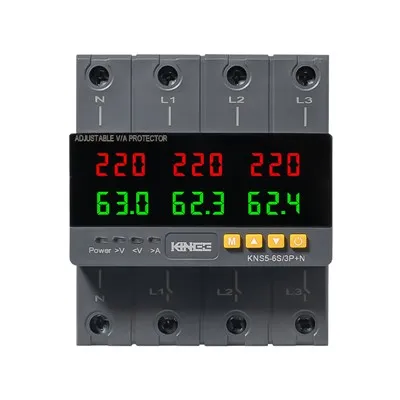
Let’s start by getting a quick grip on what an isolating switch is. Simply put, it’s a device used to disconnect a part of an electrical circuit from the power source. It creates a visible break in the circuit, ensuring that workers can safely carry out maintenance or repairs without the risk of electric shock. But different situations call for different levels of protection, and that’s where we need to know about the various protection levels.
IP (Ingress Protection) Ratings
IP ratings are a big deal when it comes to the protection of isolating switches. They tell us how well a device can keep out solid objects and liquids. These ratings are made up of two digits.
The first digit represents protection against solid objects. For example, an IP1X rating means the switch can protect against objects larger than 50mm in diameter, like a hand accidentally brushing against it. An IP2X rating offers protection against objects larger than 12.5mm, which is about the size of a finger. As the number goes up, the protection gets better. An IP5X rating means the switch is dust – protected, and IP6X is dust – tight, which is great for environments where there’s a lot of dust, like construction sites or industrial workshops.
The second digit in the IP rating is all about protection against liquids. An IPX0 rating means the switch has no protection against liquids. An IPX1 rating offers protection against vertically falling drops of water, like a little bit of condensation. IPX3 protects against water sprayed at an angle up to 60 degrees from the vertical, which could be from a light rain shower. IPX5 and IPX6 are for protection against low – pressure and high – pressure water jets respectively, and IPX7 means the switch can be submerged in water up to a certain depth for a limited time.
As a supplier, I’ve seen a wide range of applications for different IP – rated isolating switches. For indoor use in a simple office environment, an IP20 switch might be sufficient. But if you’re dealing with an outdoor installation near a water source or in a dirty industrial area, you’ll want something with a higher IP rating, like IP65 or IP67.
Short – Circuit Protection
Another key protection level to consider is short – circuit protection. A short circuit can happen when there’s an accidental connection between two conductors with different electrical potentials. This can cause a huge surge of current, which can damage equipment and pose a serious safety risk.
Some isolating switches are designed with built – in short – circuit protection. They have features like fuses or circuit breakers that can quickly interrupt the circuit when a short circuit occurs. The level of short – circuit protection is usually measured in kiloamperes (kA). For example, a switch with a short – circuit breaking capacity of 25kA can safely interrupt a short – circuit current of up to 25,000 amperes.
In industrial settings where there are large electrical loads, you need isolating switches with high short – circuit breaking capacities. On the other hand, for smaller residential or commercial applications, a lower short – circuit breaking capacity might be enough. As a supplier, I always make sure to understand my customers’ needs so that I can recommend the right switch for their short – circuit protection requirements.
Overcurrent Protection
Overcurrent is another issue that isolating switches need to handle. Overcurrent can occur due to a variety of reasons, such as a malfunction in the electrical load or a sudden increase in demand. If not properly protected, overcurrent can lead to overheating, which can damage the switch and other components in the circuit.
Isolating switches can be equipped with overcurrent protection devices. These devices can sense when the current exceeds a certain limit and then open the circuit to prevent damage. The overcurrent protection level is usually set based on the normal operating current of the circuit. For example, in a circuit with a normal operating current of 10 amperes, the overcurrent protection device might be set to trip at 12 or 15 amperes.
When it comes to choosing an isolating switch with overcurrent protection, it’s important to consider the nature of the load. If it’s a motor – driven load, there might be a high inrush current when the motor starts. In such cases, the overcurrent protection device needs to be able to handle this temporary increase in current without tripping.
Dielectric Strength
Dielectric strength is a measure of how well an isolating switch can withstand high voltages without breaking down. It’s important because in electrical systems, there can be transient overvoltages due to things like lightning strikes or switching operations.
The dielectric strength of an isolating switch is usually specified in kilovolts (kV). For example, a switch with a dielectric strength of 10kV can safely withstand a voltage of up to 10,000 volts without breaking down. This protection level ensures that the switch can operate safely in environments where there’s a risk of high – voltage transients.
As a supplier, I know that different applications require different dielectric strengths. For low – voltage systems, a switch with a lower dielectric strength might be enough. But for high – voltage applications, like in power transmission and distribution, you need switches with very high dielectric strengths.
Why Choosing the Right Protection Level Matters
Picking the right protection level for an isolating switch is crucial. If you choose a switch with a lower protection level than what’s required, it can lead to all sorts of problems. For example, if a switch with a low IP rating is installed in a wet environment, water can get inside and cause short circuits, which can damage the switch and the entire electrical system.
On the other hand, if you go for a switch with a much higher protection level than necessary, you’re likely spending more money than you need to. So, it’s all about finding that sweet spot based on your specific application.
How We Can Help
At our company, we’ve been in the isolating switch business for a long time. We’ve got a wide range of switches with different protection levels to suit all kinds of applications. Whether you’re working on a small residential project or a large industrial installation, we can help you find the right switch.
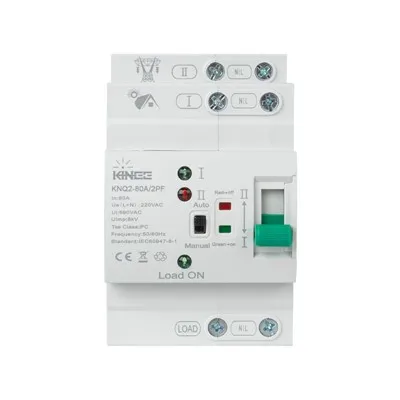
Our team of experts is always ready to answer your questions and provide you with the best advice. We understand that every project is unique, and we’ll work with you to make sure you get the isolating switch that meets your exact needs.
Cable Tie If you’re in the market for an isolating switch and want to learn more about the protection levels or just need some help choosing the right one, don’t hesitate to reach out. We’re here to make the process as easy as possible for you. Contact us today to start the conversation and let’s find the perfect isolating switch for your project.
References
- Electrical Installation Handbook, Schneider Electric
- IEC 60947 – 3: Low – voltage switchgear and controlgear – Part 3: Isolators, disconnectors, switch – disconnectors and fuse – combination units
Wenzhou Kinee Electrical Co., Ltd.
We are one of the most professional isolating switch manufacturers and suppliers in China, featured by quality products and good price. Please rest assured to buy advanced isolating switch made in China here from our factory. We also accept customized orders.
Address: Unit 1, Building 31, Wenzhou Wenbo Science and Technology Industrial Park, No. 706 Yanyun Road, Lingkun Street, Oujiangkou Industrial Cluster Area, Wenzhou, Zhejiang Province
E-mail: sandyma@kinee.net
WebSite: https://www.kinee.net/
